Auto Detailing Services in davidson, nc
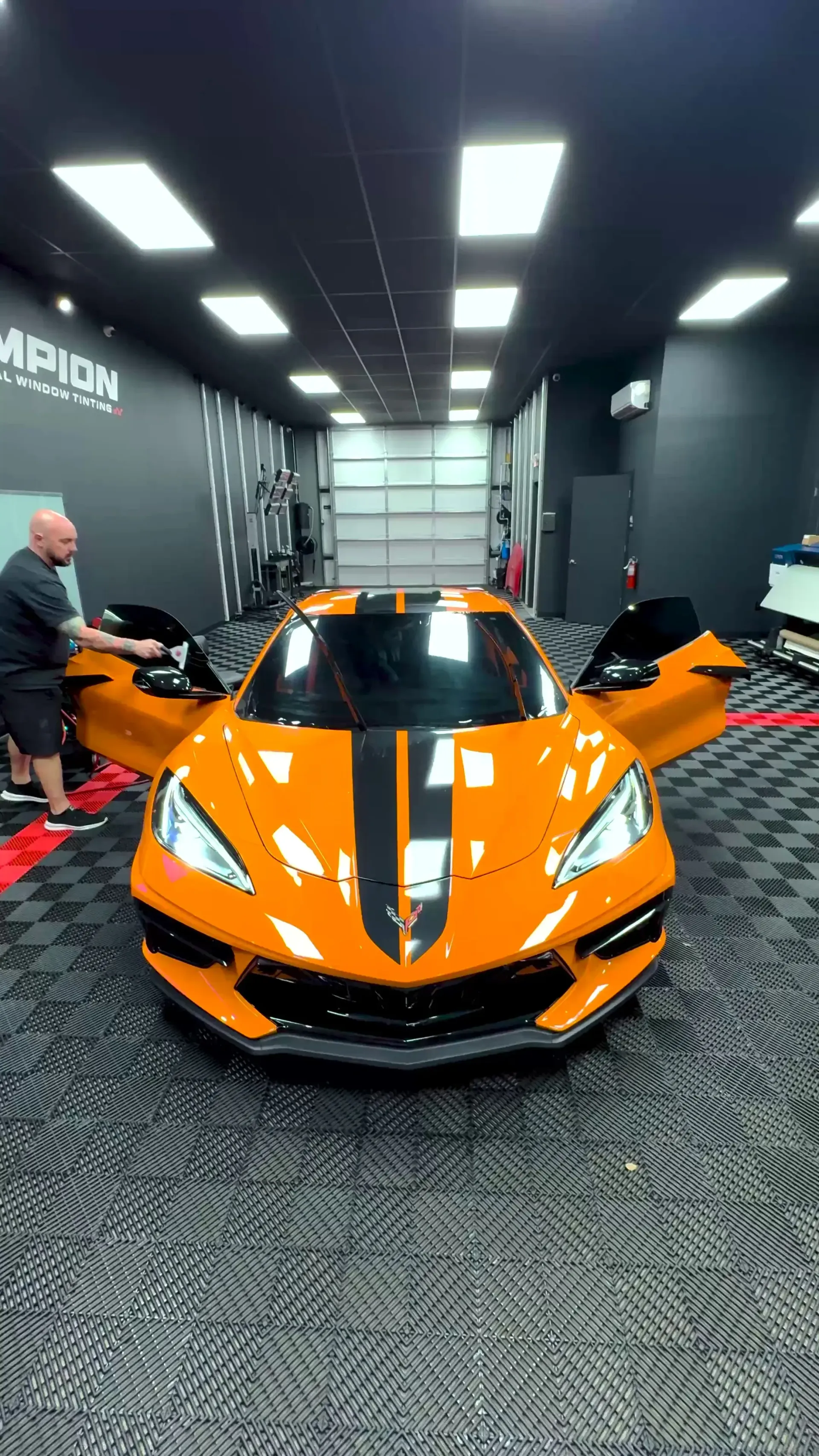
Davidson drivers appreciate fine craftsmanship, and vehicle care should reflect the same high standards. Securing professional auto detailing services in davidson, nc delivers comprehensive preservation for your vehicle's interior cabin and exterior paintwork, moving far beyond what automated tunnel washes can achieve. Automated washes utilize abrasive brushes and harsh chemical detergents that degrade surfaces, whereas professional detailing utilizes specialized, gentle techniques tailored to every material.
The lakeside climate around Davidson subjects vehicles to distinct environmental challenges throughout every season. High summer humidity promotes bacterial growth and odors inside vehicle cabins, while red clay silt, pine pollen, and road oils adhere to exterior paintwork. Routine professional detailing cleans deep into crevices, removing harmful contaminants before they cause irreversible damage to delicate leather upholstery and factory clear coats.
A complete auto detailing service integrates thorough exterior decontamination, machine paint correction, deep interior sanitization, and mechanical component preservation. This guide explores the differences between commercial washes and professional detailing, details specialized interior and exterior restoration steps, and recommends maintenance schedules to keep your vehicle in peak condition year-round.
Table of Contents
Jump directly to any section of this comprehensive service guide.
Why Professional Detailing Outperforms Commercial Car Washes
Understanding the differences between automated commercial car washes and professional auto detailing is crucial for preserving your vehicle's condition.
Automated friction car washes use large spinning brushes that trap abrasive dirt, sand, and grit from previous vehicles. As these brushes spin against your car's paint, they create deep swirl marks and fine scratches that dull the clear coat.
Touchless automatic washes avoid brushes but rely on aggressive alkaline and acidic chemical detergents to strip road film. These caustic chemicals degrade rubber trim, strip protective coatings, and cloud exterior aluminum accents.
Professional detailing uses pH-neutral shampoos, clean microfiber wash mitts, and multi-bucket washing techniques with grit guards to lift and encapsulate dirt without scratching your paint.
Detailers take the time to evaluate individual materials, choosing targeted products for leather, carpets, plastics, and painted surfaces to deliver thorough cleaning without causing surface wear.
-1920w.webp)
Comprehensive Exterior Decontamination Protocols
Restoring an exterior finish begins with a systematic decontamination process designed to eliminate both loose grime and bonded contaminants.
- 1Pre-Wash Foam Dwell: High-foaming snow foam coats exterior surfaces, loosening surface grit and insect residue before any physical contact occurs.
- 2Two-Bucket Method Wash: Technicians use dedicated wash and rinse buckets with dirt-trapping grit guards, keeping wash mitts clean across every panel.
- 3Chemical Iron Removal: Iron-dissolving sprays break down embedded metallic brake dust and industrial fallout clinging to clear coat pores.
- 4Tar and Sap Solvent Treatment: Specialized solvent cleansers dissolve sticky road tar specks and pine sap droplets without aggressive scrubbing.
Following chemical decontamination, detailers use an automotive clay bar or clay mitt across lubricated panels to remove lingering sub-surface grit until the paint feels glass-smooth.
This essential decontamination step prepares paint surfaces for machine polishing by removing abrasive particles that would otherwise cause surface marring during correction.
Machine Paint Correction for Swirl and Defect Removal
Over time, improper washing and environmental exposure leave vehicle clear coats covered in swirl marks, light scratches, and oxidation.
Machine paint correction uses precision dual-action or rotary polishers paired with specialized polishing compounds to restore optical clarity to the clear coat.
- 1Paint Depth Measurement: Technicians measure clear coat thickness with digital ultrasonic gauges to confirm sufficient material exists for safe compounding.
- 2Compounding Stage: High-cutting pads and diminishing micro-abrasives level clear coat imperfections, removing deeper swirl marks, scratches, and etching.
- 3Finishing Polish Stage: Soft foam pads and ultra-fine polishing compounds refine the surface, eliminating hazing and restoring a deep, mirror-like gloss.
- 4Surface Inspection: Isopropyl alcohol wipedowns remove residual polishing oils, allowing technicians to verify that defects have been corrected rather than temporarily filled.
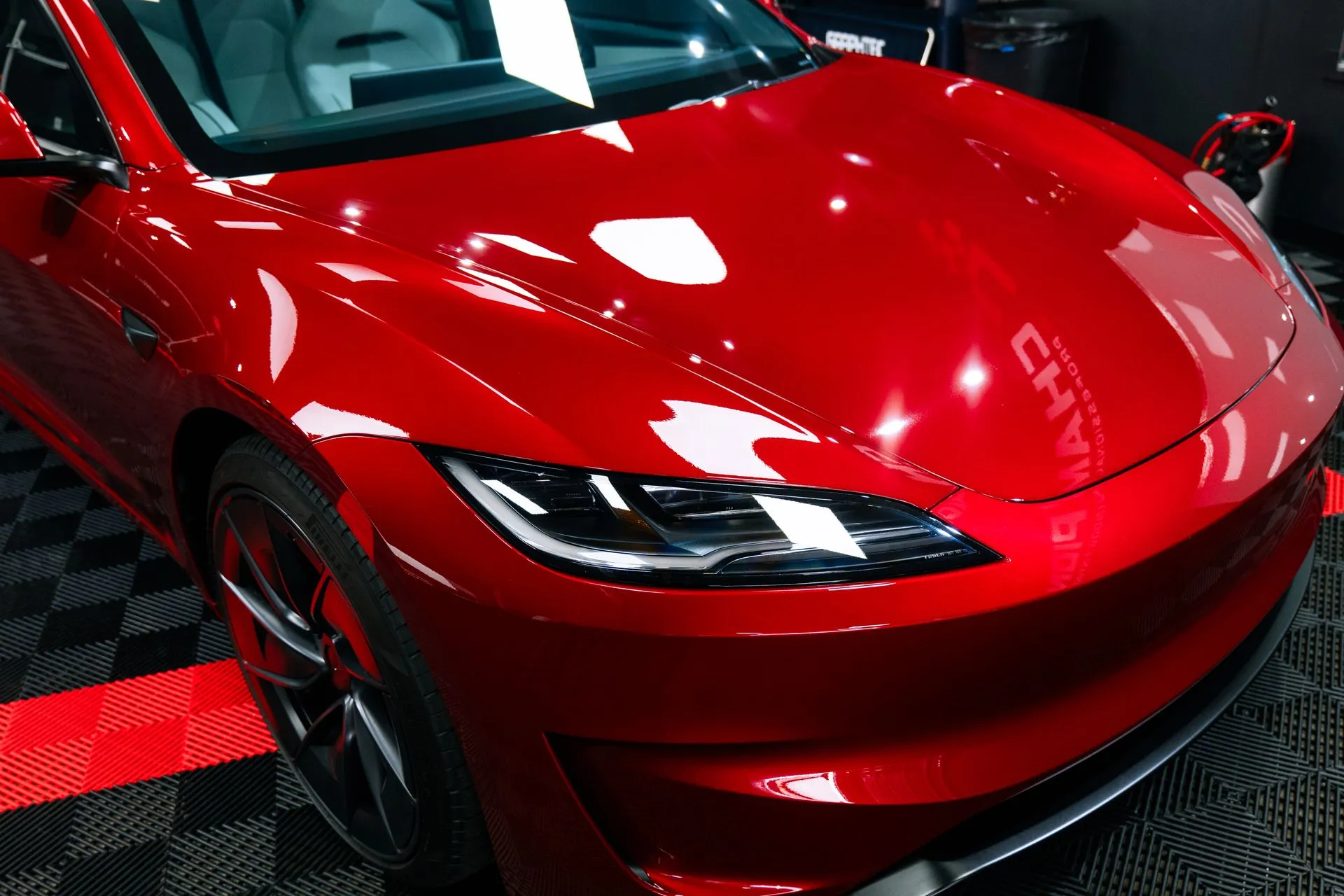
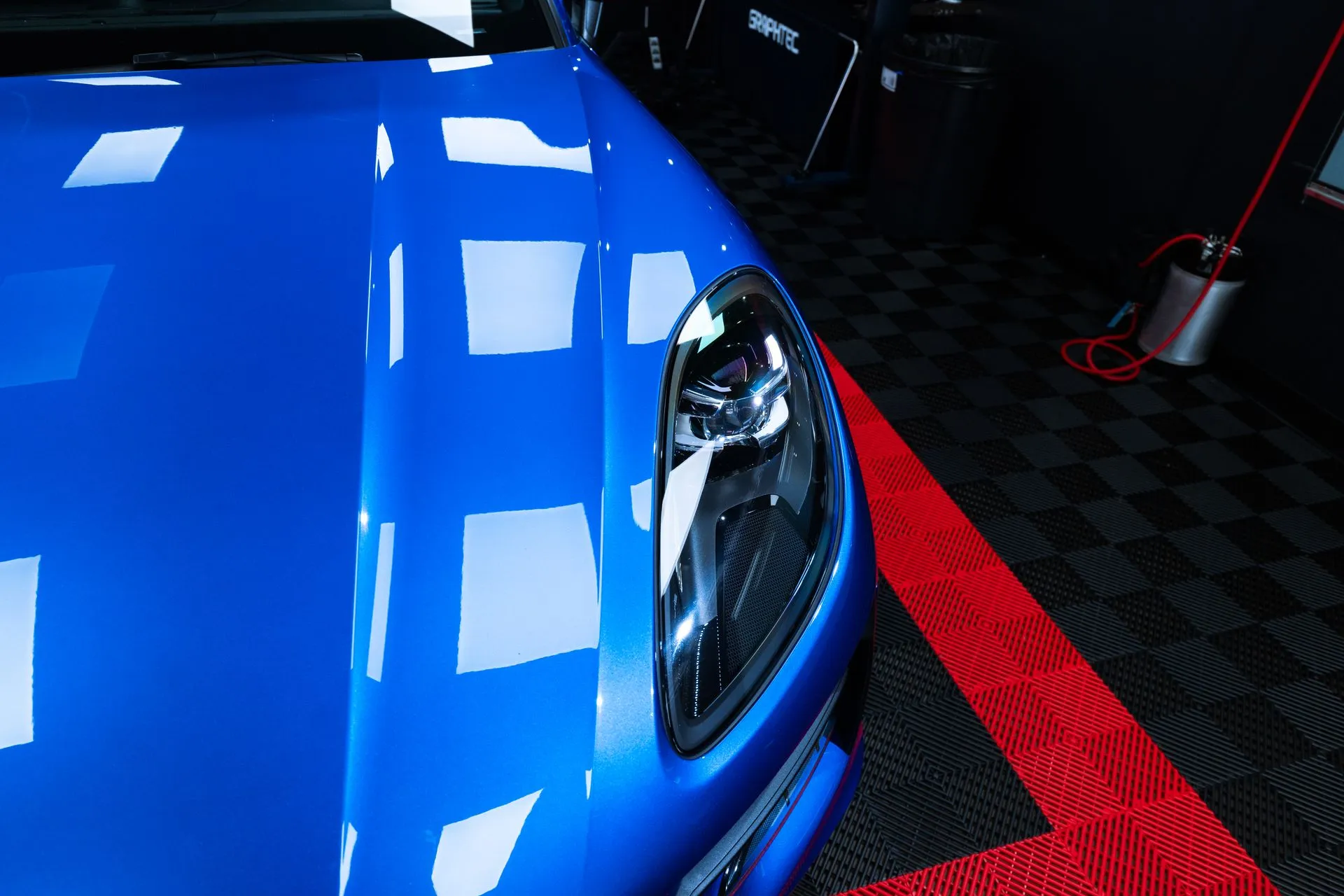
Paint correction restores the depth, richness, and clarity of your vehicle's factory paint, creating a smooth, reflective surface that enhances the car's overall appearance.
Properly leveled clear coats also provide the ideal foundation for long-term protective coatings like ceramic sealants or paint protection films.
-1920w.webp)
Deep Interior Sanitization and Steam Extraction
A vehicle's cabin accumulates airborne dust, food debris, body oils, moisture, and bacteria through daily use.
Comprehensive interior detailing begins with thorough vacuuming using crevice nozzles, compressed air tools, and soft detailing brushes to dislodge trapped debris from seat rails, vents, and console seams.
Next, commercial dry vapor steam machines sanitizing surfaces at temperatures exceeding 212°F. High-temperature steam cleans deep into upholstery seams, cupholders, and climate control ducts, neutralizing bacteria and eliminating odors without oversaturating fabrics.
- 1Hot Water Carpet Extraction: Pressurized hot water and enzyme cleaners loosen embedded dirt from carpet fibers before high-powered vacuums extract the dirty liquid.
- 2Leather Cleansing and Conditioning: pH-balanced leather cleaners lift embedded oils and dirt from upholstery pores before breathable conditioners restore flexibility.
- 3Headliner and Trim Cleaning: Delicate dry foam techniques safely clean headliners without loosening sensitive adhesive backings.
- 4Interior Glass Polishing: Ammonia-free glass cleaners and lint-free waffle towels remove vinyl outgassing film from interior windows for crystal-clear visibility.
Thorough interior sanitization improves cabin air quality, removes organic odors at the source, and restores a fresh, comfortable driving environment.
Specialized Care for Leather, Vinyl, and Modern Synthetic Trim
Modern automotive interiors feature an array of specialized materials that require tailored cleaning and conditioning methods.
Coated automotive leather features a protective polyurethane clear layer. Heavy oil-based conditioners can leave a sticky residue that attracts dust and accelerates seam wear.
Professional detailers use water-based, pH-balanced cleansers that clean the protective coating safely without drying out the natural leather underneath.
Following cleaning, technicians apply matte-finish UV protectants that shield leather, dashboard plastics, and door panels from solar fading and cracking without leaving an artificial shine.
Synthetic materials like Alcantara and suede are cleaned with specialized non-foaming cleaners and horsehair brushes to maintain a plush, factory-fresh texture.
Wheel, Caliper, and Engine Bay Detailing
A thorough detail extends beyond visible paint and cabin seating to include hard-working mechanical areas that accumulate heavy grime.
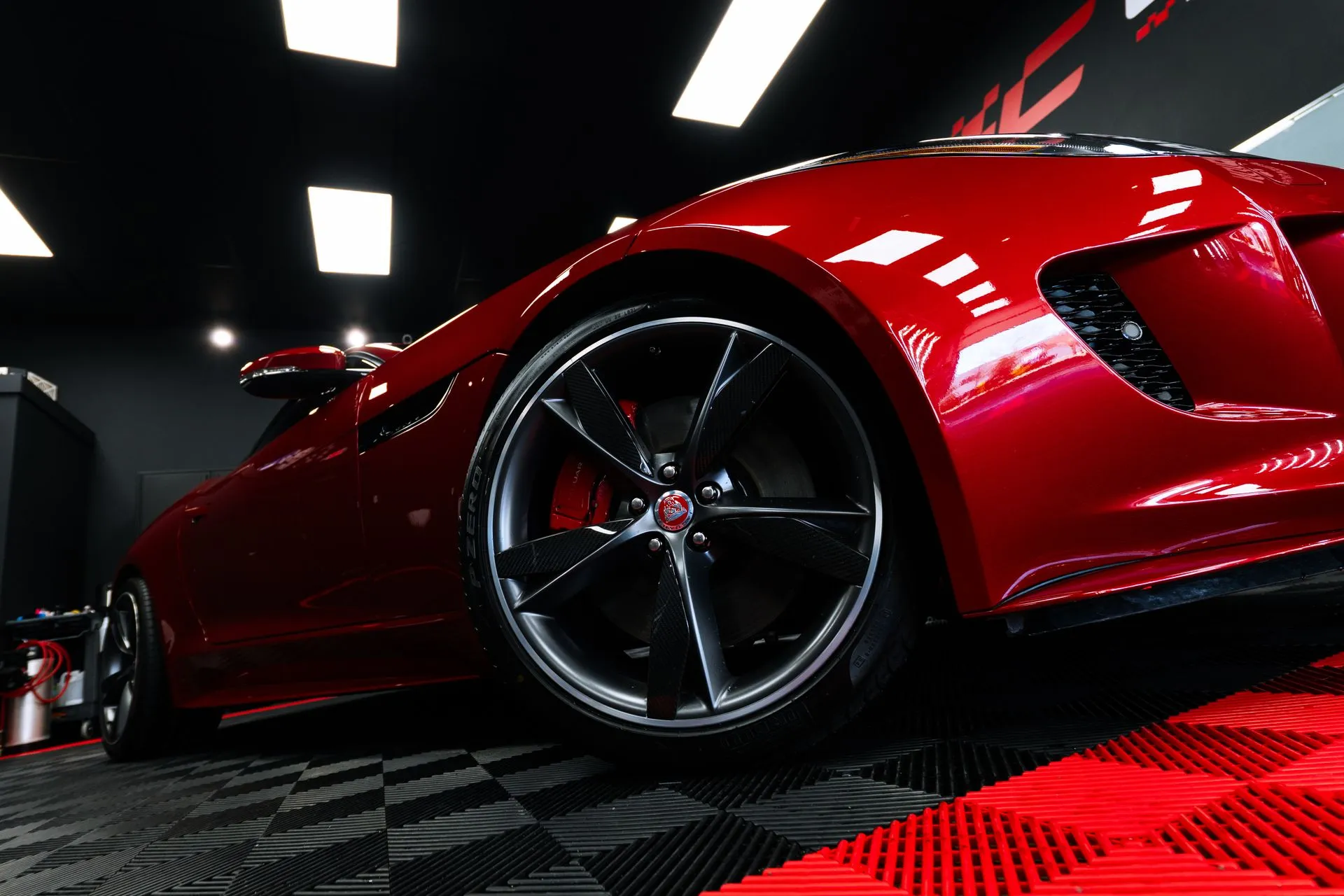
Wheels, brake calipers, and wheel wells endure intense heat and corrosive brake dust. Detailers use specialized barrel brushes, acid-free wheel cleaners, and iron removers to scrub wheel barrels and calipers clean.
Engine bay detailing begins by masking sensitive electronic modules, alternators, and open air intakes before applying gentle citrus-based degreasers.
Low-pressure warm water rinses and soft detail brushes break down accumulated road grime and grease deposits across engine covers and firewall panels.
After thorough compressed-air drying, heat-resistant, water-based dressings are applied to plastic and rubber engine covers, leaving a clean, satin appearance that simplifies future visual inspections.
Recommended Detailing Frequency for Davidson Motorists
Establishing a consistent detailing routine preserves vehicle appearance and protects long-term resale value.
Drivers in the Davidson and Lake Norman regions benefit from a schedule that addresses seasonal climate shifts and driving conditions.
Schedule a comprehensive deep detail twice each year: once in spring to remove winter road salt and spring pollen, and once in autumn to clean cabin fabrics and apply exterior paint protection for winter.
Between major details, maintain your vehicle with bi-weekly or monthly hand washes using the two-bucket method and pH-neutral car wash shampoos to prevent swirl marks.
Investing in professional auto detailing services in davidson, nc ensures your vehicle remains clean, comfortable, and well-protected against the elements throughout years of ownership.
Contact Us Today
Have questions or need emergency service? Reach out to our dedicated team anytime.
Champion Window Tinting
Fast, dependable support and honest pricing across our service area.
Frequently Asked Questions
Find clear, helpful answers to common questions regarding our process, pricing, equipment, and satisfaction guarantee.
1. **How often should I have my vehicle detailed professionally?** Most daily drivers benefit from a comprehensive professional detail every four to six months, along with routine hand washes every few weeks.
Related Articles
Ceramic Coating Service in davidson, nc
Ceramic Coating Service in Davidson, NC | Champion Window Tinting
Read Article →Paint Protection Film Service in davidson, nc
Paint Protection Film Service in Davidson, NC | Clear Bra
Read Article →Window Tinting Service in davidson, nc
Window Tinting Service in Davidson, NC | Champion Window Tinting
Read Article →